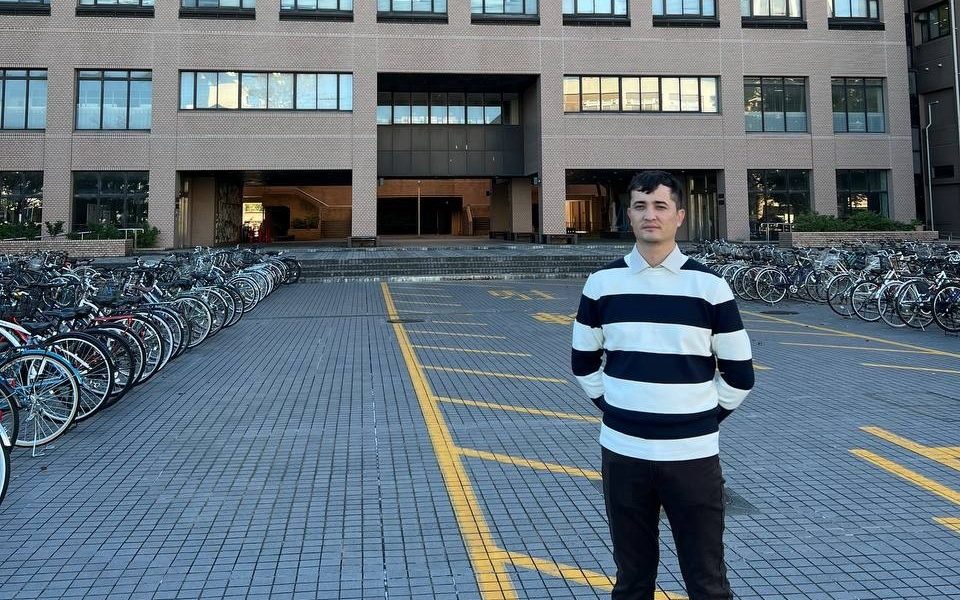
Junior Researcher of the Geobotany Laboratory at the Botanical Institute, Azamat Tenelbaevich Sultamuratov, became the winner of a competition announced by the Agency Innovative Development and participated in a short-term scientific internship at the Faculty of Bioresources, Mie University, Japan, from November 4, 2024, to January 31, 2025. During the internship, Azamat Sultamuratov conducted scientific research under the guidance of Professor Naoko Matsuo.
Main Research Areas. During the internship, Azamat Sultamuratov conducted an analysis of stable isotopes based on samples of C3 and C4 plants commonly found in the desert and semi-desert regions of Uzbekistan. The following isotopes were analyzed in the study:
- Carbon (C).
- Nitrogen (N).
- Oxygen (O).
- Hydrogen (H).
These isotopes were used to study the physiological processes of water use efficiency in plants and their resistance to environmental factors. The results of the research are crucial for understanding plant drought resistance and developing conservation methods.
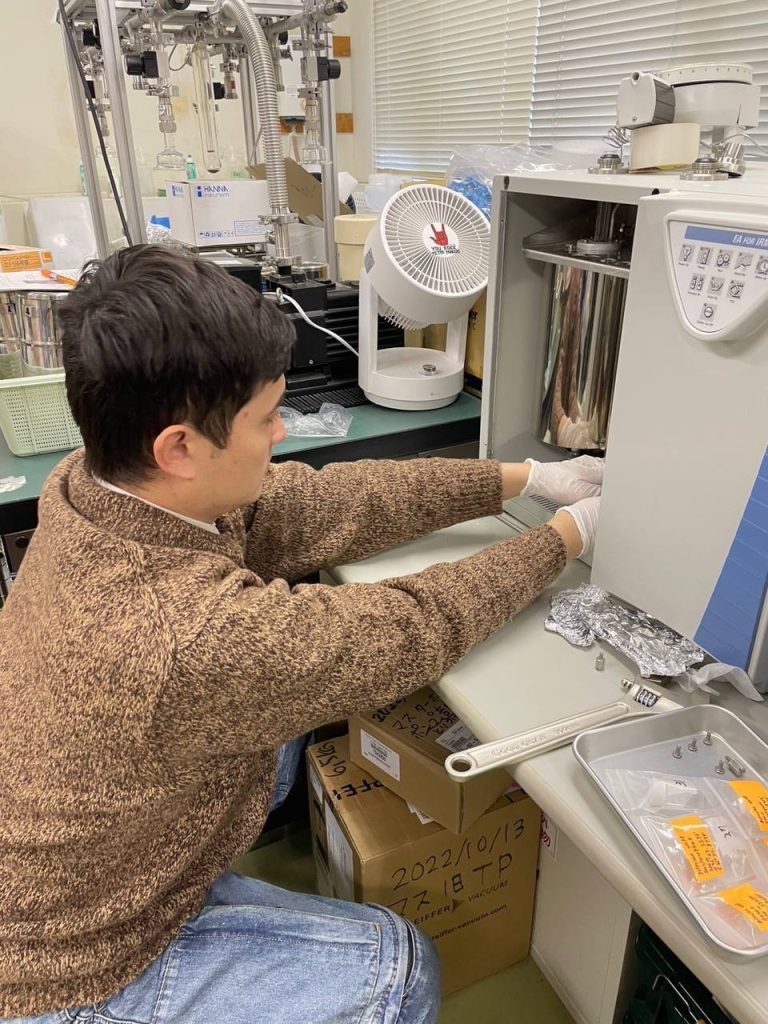
Working with Scientific Equipment. During the internship, Azamat Sultamuratov gained experience working with advanced scientific equipment, including:
IRMS (Isotope Ratio Mass Spectrometry) – a mass spectrometer for measuring isotope ratios.
EA (Elemental Analyzer) – an analyzer for elemental analysis.
TCEA (Thermo Chemical Elemental Analyzer) – an instrument for thermochemical elemental analysis.
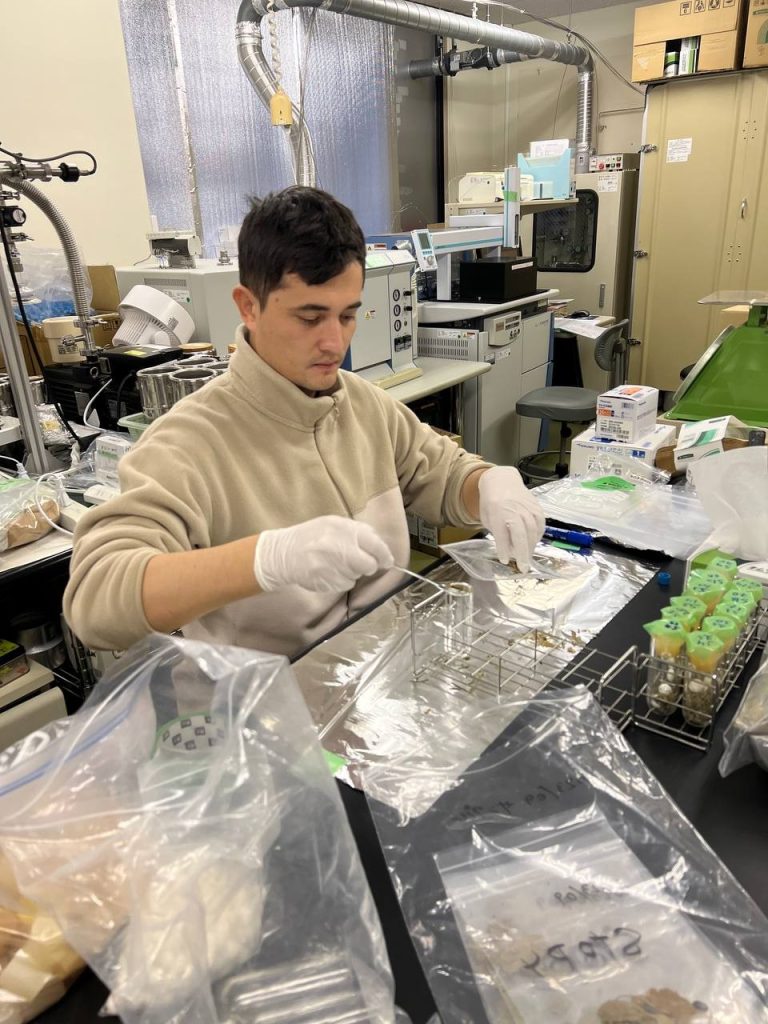
Using this equipment, the processes of preparing plant samples, analyzing them, and calculating results based on standards used in isotope analysis were conducted.
Results and Future Plans. The research findings were discussed with Professor Naoko Matsuo, and plans were developed for future collaborative projects. Based on the obtained data, new methods for enhancing plant drought resistance and conservation will be developed.
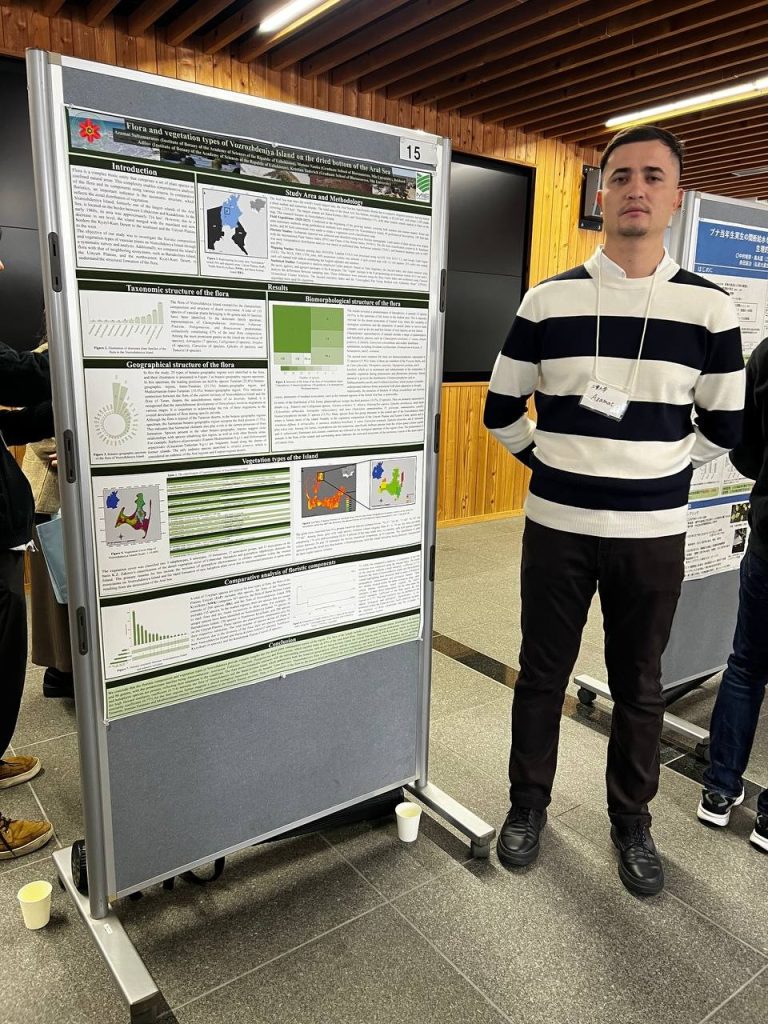
The Importance of International Cooperation. This internship not only enhanced Azamat Sultamuratov’s professional skills but also strengthened scientific cooperation between Uzbekistan and Japan. Future collaborative projects will focus on preserving biodiversity and addressing environmental challenges.
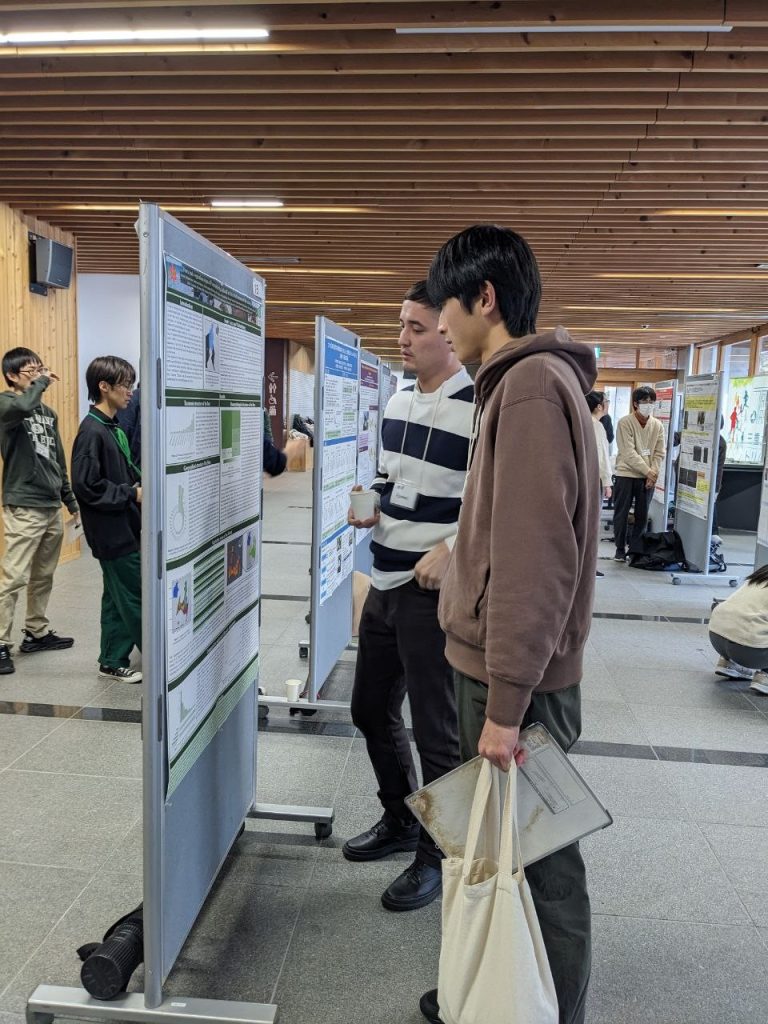
Azamat Sultamuratov’s scientific internship in Japan serves as another example of expanding opportunities for young scientists from Uzbekistan to gain international experience. The results of this research represent a significant step forward for both the scientific community and the field of environmental conservation. The collaboration between the Botanical Institute of the Academy of Sciences of the Republic of Uzbekistan and Mie University (Japan) expands the possibilities for future joint projects and scientific research.