Priorities
2. Grid-system mapping of vascular plant species in the flora of Uzbekistan;
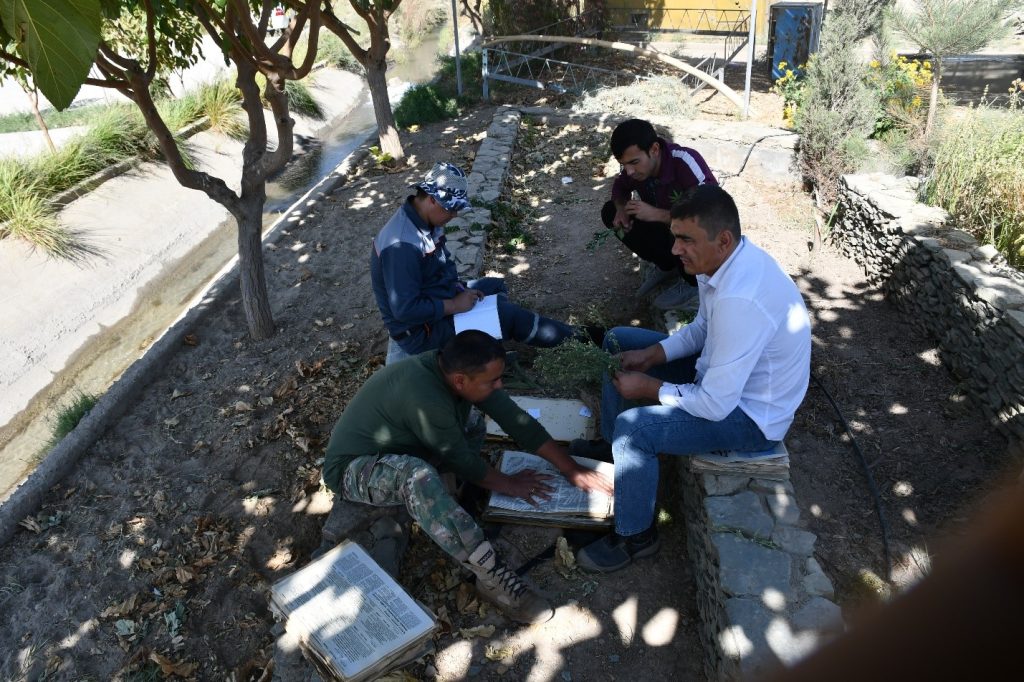
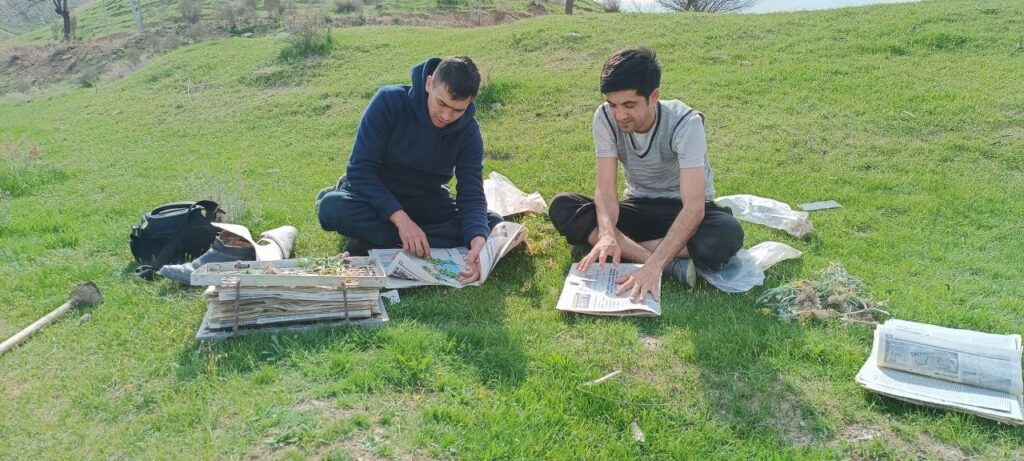
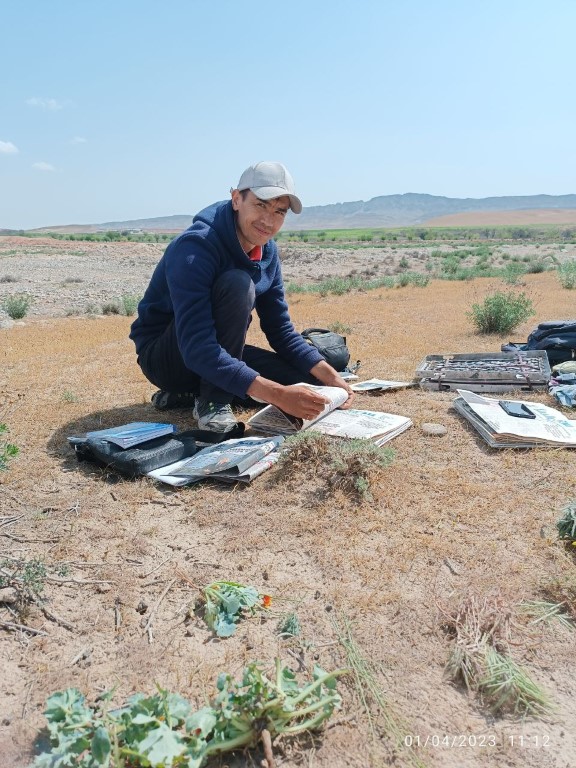
3. Filling the collection of the National Herbarium of Uzbekistan, transferring it to a digital format, and enriching it with new samples;
4. Participation in the creation of the state cadastre of plant species in the flora of Uzbekistan in the administrative regions;
5. Assessment of the status of rare, endangered, and endemic plant species based on IUCN principles.
Achievements of the laboratory
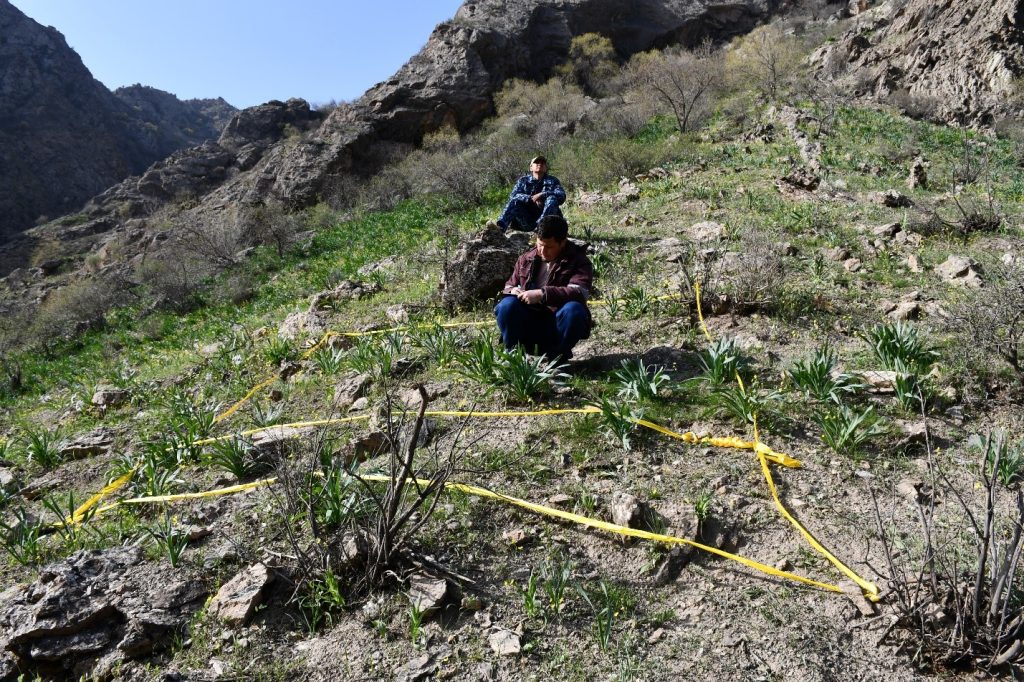
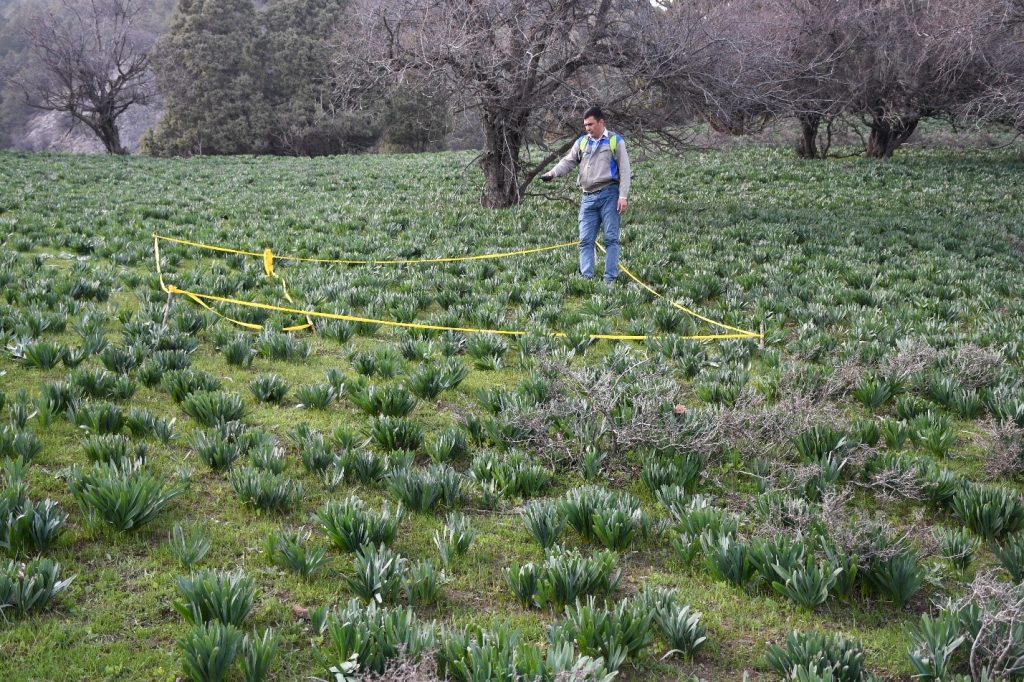
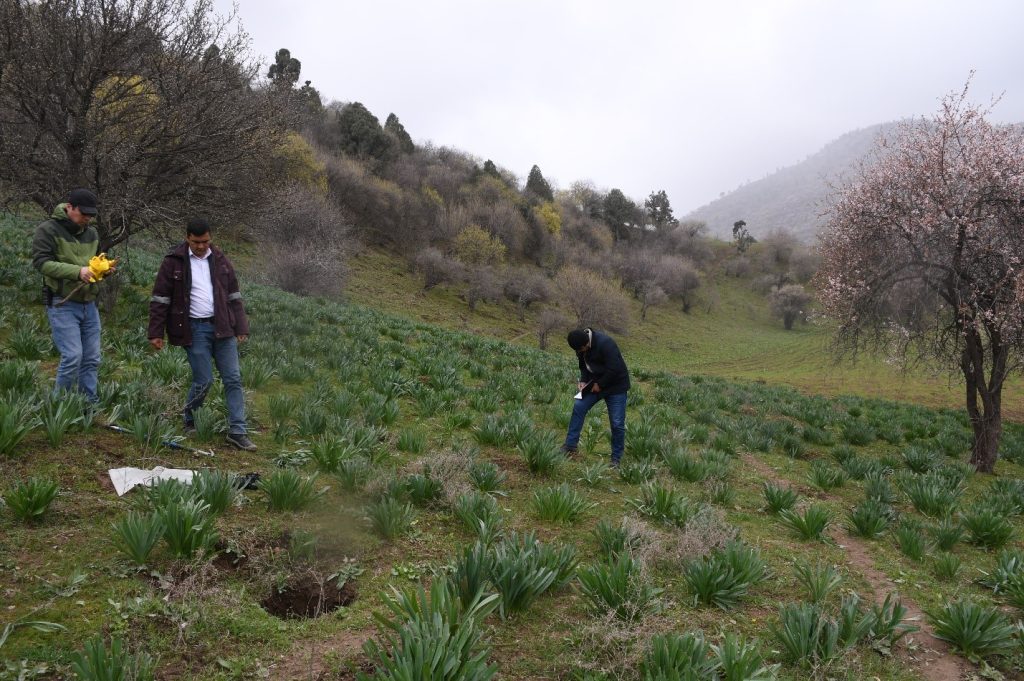
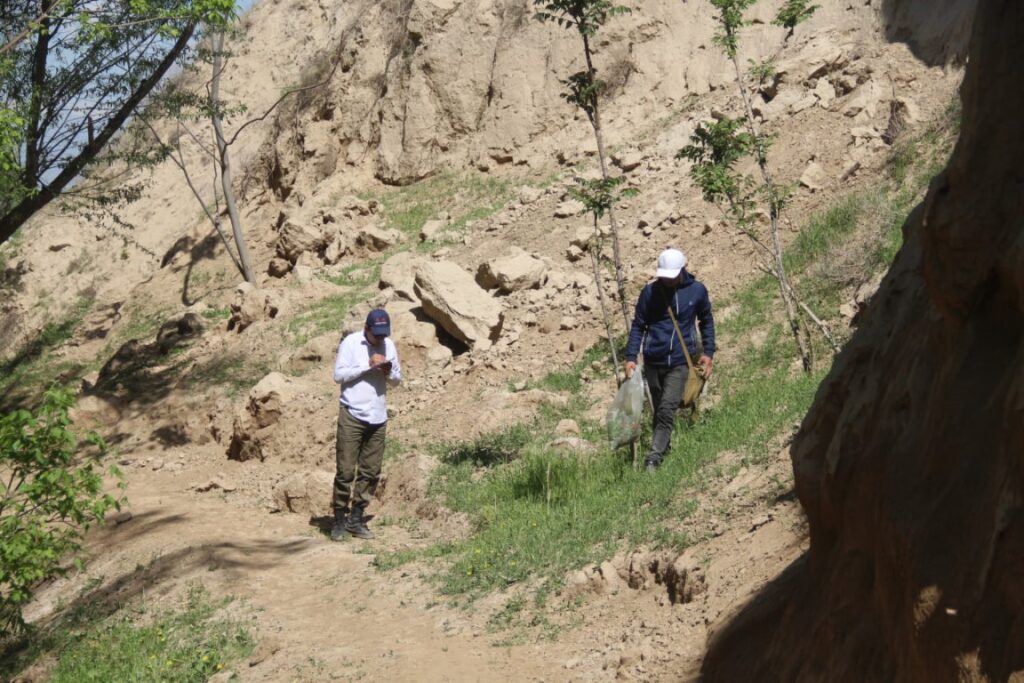
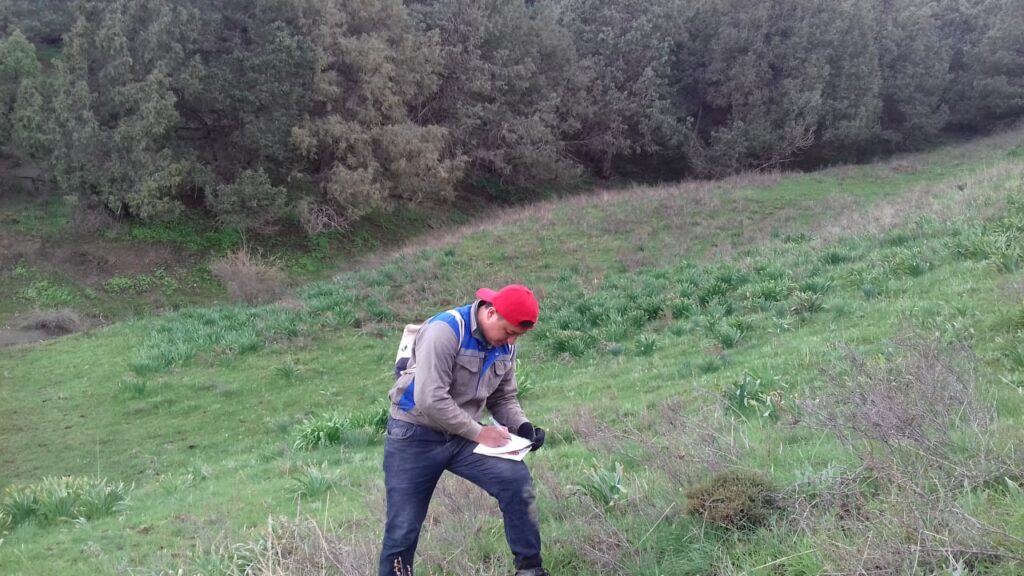
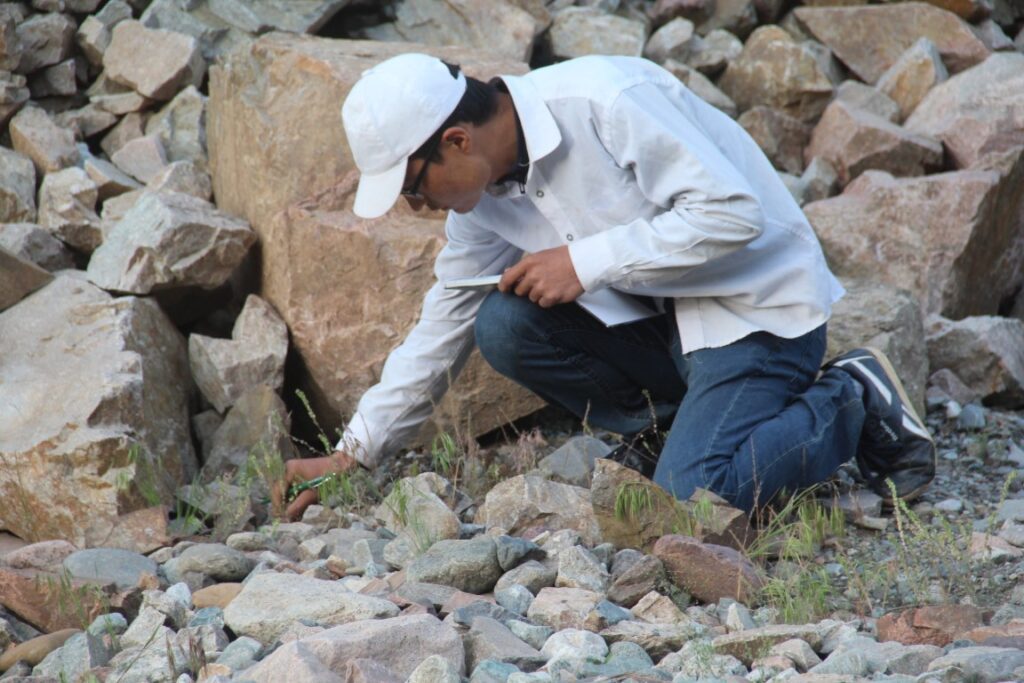
For the first time in Central Asia, the natural flora of the South-West Hisar, Hisar-Darvaz, and Panj districts—located in the mountainous region on the border of Surkhandarya—was mapped using grid mapping techniques. The research area was divided into 884 indices of 5×5 km, achieving a survey coverage level of 92%. Data on species richness and collection density were gathered for 820 indices.
A state cadastre list of the flora of the Surkhandarya region was compiled for the first time, consisting of 98 families, 614 genera, and 2,191 species, based on georeferenced data. Taxonomic, geographical, comparative, and biomorphological analyses of the flora were also conducted.
The floristic composition of the botanical-geographic regions within the area was compiled. Based on herbarium specimens and field studies collected between 1834 and 2024, the largest geo-linked database in Central Asia was created, comprising 67,261 specimens.
During this reporting period, several new species were identified, including Hedysarum sunhangii Juramurodov & Tojibaev, Ranunculus tojibaevii Schegol. & Turginov, Allium sunhangii F.O. Khass., Tojibaev & Yusupov, and Iris chrysopetala Sennikov, F.O. Khass. & Pulatov, along with 16 species new to the flora of Uzbekistan.
For the first time, the scope of geo-linked data enabled geospatial analysis of floristic data and exploration of the combined effects of natural-historical and climatic factors influencing biodiversity patterns.
Research on the grid system mapping of floral composition facilitated the development of fundamental aspects of floristry. Specifically, it allowed for a shift in the elementary unit of in-depth analysis from the level of natural-geographical or administrative areas to the index level on the grid system map.
The concepts of “saturated indices” and “unsaturated indices” were introduced into the practice of grid system mapping. The number of saturated indices, determined based on the spectrum of leading families, is 254, with their spectrum corresponding to that typical for the mountainous part of Central Asia.
The composition of the flora along the main highways in the Surkhandarya area was analyzed within radii of 100 m (SR=853), 500 m (SR=910), and 1 km (SR=971). It was found that the highway flora is dominated by local species that are endemic to Central Asia, in contrast to the urbanized, cultivated fields, and natural flora, which exhibit different geographic elements. This indicates that the highway flora has distinct trends that set it apart from urban flora, cultivated areas, and natural flora.
Additionally, the flora composition of urbanized areas (SR=279, CD=2601) and cultivated fields (SR=521, CD=679) was determined. The analysis of leading families and geographic elements revealed that the cultivated area flora is predominantly composed of Pluregional (54 species), Palearctic (43 species), Mediterranean (96 species), and Pluregional (83 species) elements.
The list of wide distribution (active) species in the region was also identified. These include widely distributed species such as Plantago lanceolata L. (541 samples across 307 indices), Poa bulbosa L. (302 samples across 542 indices), and Convolvulus arvensis L. (299 samples across 439 indices). Notably, 15% of the species are represented by only one herbarium specimen and are found in just one index.
At the category level, Astragalus is the most common genus with 2,547 herbarium specimens (515 in the index), followed by Convolvulus (881 specimens across 397 indices) and Strigosella (1,352 specimens across 388 indices). At the family level, the Fabaceae family is the most prevalent, with species distributed across 721 indices (81%).
A total of 65 endemic species were identified within the flora of the Surkhandarya region, primarily consisting of relics from the Cretaceous and Paleogene periods. The conservation status of these endemic species was assessed according to IUCN Red List criteria. Based on an analysis of available data and results from years of field research, Dipcadi turkestanicum Vved, considered endemic to Khaudak, has been noted to have completely disappeared as a biological species.
Bioclimatic modeling of selected endemic and rare species included in the Red Book of the Republic of Uzbekistan was conducted to determine current and potential future distribution areas. The results predict that 35% of these species are expected to increase their potential distribution areas, while 65% are anticipated to decrease.
The region contains seven different soil groups, including Technosol soils. Endemic species are found only in Leptosols, Cambisols, and Calcisols. Leptosols are particularly notable for their species diversity and number of samples.
One of the main conclusions drawn from this research is that grid system mapping of natural flora is both a long-term and the most effective research method. In the first year of the reporting period, the analysis of available sources produced 14,221 data entries across 565 indices, representing 63.9% of the total research area. By 2024, this figure had increased to 67,261 entries across 820 indices, which accounts for 92.7% of the area. Additionally, in 2021, the average number of species per index was 13 in terms of species diversity and 18 samples in terms of assemblage density. By 2024, the average species diversity per index had risen to 58 species, with a collection density of 84 samples and records.
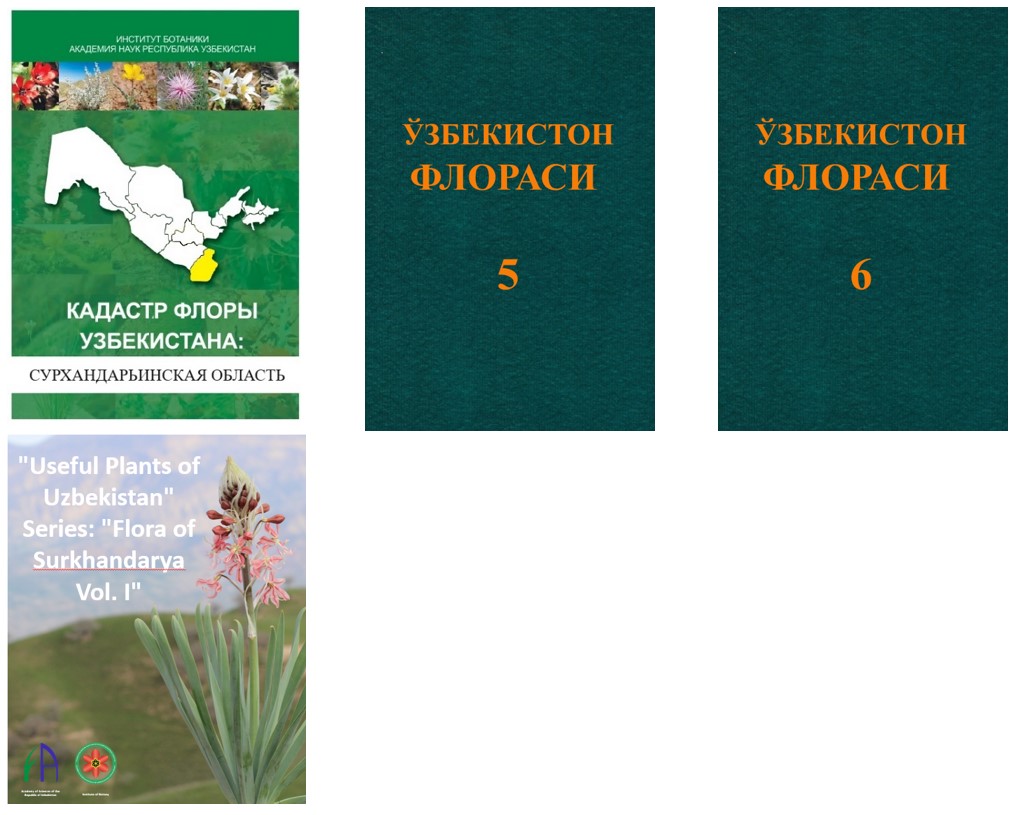
Since 2016, a fundamental project aimed at preparing and publishing new editions of the flora of Uzbekistan has been implemented at the laboratory. The main goal of the project is to conduct a taxonomic and nomenclatural analysis of plant species distributed throughout the country and to publish multi-volume works categorized by family. Research is conducted using a combination of classical and modern methods in floristics, plant taxonomy, and botanical geography. Key features of the project include modern field research, extensive use of herbarium specimens from large collections, and critical analysis of available data. Systematization and standardization of data are carried out according to international standards, contributing to the formation of a unified information system that is accessible online.
Since 2016, the first five volumes of the national flora have been published, primarily covering major plant families in Uzbekistan. Specifically, Volume I focuses on Amaryllidaceae, Volume II includes Campanulaceae, Plantaginaceae, Primulaceae, Sphenocleaceae, and Scrophulariaceae, Volume III covers Plumbaginaceae, Caprifoliaceae, Gentianaceae, Solanaceae, Bignoniaceae, Menyanthaceae, and Oleaceae, and Volume IV addresses Heliotropiaceae, Boraginaceae, and Hydrophyllaceae. Volume V is dedicated to the Apiaceae family. The sixth volume provides a comprehensive analysis of the Ranunculaceae family. The upcoming seventh volume will focus on the Brassicaceae family, which is recognized as one of the polymorphic families; the analysis of its taxonomic structure, nomenclature, ecology, and geography has now been completed. Dichotomous identification keys for categories and species have been created. Approximately 4,000 samples from 1915 to 2024 have been georeferenced by project participants. The prepared information has been edited according to the accepted format for the “Flora of Uzbekistan” publication.
Achievements of the laboratory
Within the framework of the “Digital Nature” (2025–2029) state program, research was conducted on developing a new botanical–geographical zoning map of the Central Asian region and on grid-based mapping of plant biodiversity, and significant results were achieved in 2025. As a result of comprehensive research on the natural flora of Central Uzbekistan, the floristic composition of the region was re-inventoried, and a preliminary checklist was compiled comprising 2,557 species belonging to 641 genera and 97 families. An integrated digital database was established for taxonomic, phytogeographical, and phylogenetic analyses of the region’s flora. In addition, a grid-based map consisting of 2,878 cells, each covering an area of 5 × 5 km, was developed for Central Uzbekistan. Using modern statistical approaches, the ecological and geographical stability of leading plant families was scientifically substantiated. The nonlinear dynamics of species richness along the altitudinal gradient, as well as the close relationship between phylogenetic diversity and climatic and topographic factors, were identified. Fragmented data on the flora of Central Asia were synthesized, resulting in an updated taxonomic checklist comprising 9,648 species, 1,199 genera, and 139 families. More than 347,800 geo-referenced records were uploaded to the digital platform “Grid Mapping of Central Asian Plants.” During the course of the research, species new to science (Gagea khassanovii, Fritillaria yakutii, Elymus uzbekistanicus) and species newly recorded for the flora of Uzbekistan (Stipa magnifica, Stipa margelanica, Panicum capillare) were identified. These findings contribute to a deeper understanding of the evolutionary patterns of the region’s flora and strengthen its scientific significance.
International Relations of the Laboratory:
Since 2016, the Laboratory of the Flora of Uzbekistan has maintained strong cooperation with various countries, including the People’s Republic of China, the United States of America, Russia, Germany, Poland, Finland, the Republic of Belarus, South Korea, Iran, Azerbaijan, and neighboring countries in Central Asia. Various seminars and symposia are held every year as part of these cooperative relations. For example, in 2024 alone, at the initiative of the laboratory, two significant events were organized: the second seminar between the botanical institutes of Central Asia and the United States (April 8, 2024) and a scientific seminar on “Biodiversity and Scientific Cooperation between Central Asia and Korea” during the ninth international seminar (July 26-27, 2024).
Additionally, several foreign projects are being implemented in the laboratory in 2024. These include “Bioresearch on Biological Plant Materials of Uzbekistan” in collaboration with South Korea’s Korean Research Institute of Bioscience and Biotechnology, as well as a project with the Chinese Academy of Sciences focusing on medicinal substances in Central Asia. Other joint projects include “Medicinal Plants of the Southwestern Part of Uzbekistan: Taxonomy, Ethnobotanical Analysis, and Distribution” and “New Research on the Taxonomy and Resources of Medicinal Licorice Species in Central Asia”.
Information about the researchers
Daminova Nazokat Erkinboyevna
PhD, Head of Laboratory
E-mail: nazokat_botany@mail.ru
Tojibaev Komiljon Sharobitdinovich
D.Sc., Academician
E-mail: ktojibaev@mail.ru
Jo’ramurodov Inom Jalilovich
DSc doctorant
E-mail: ijuramurodov@mail.ru
Makhmudjanov Dilmurod Ibrokhim ugli
DSc doctorant
E-mail: dilmurodxab@gmail.com
Akbarov Feruz Ikbolovich
PhD, Junior Researcher
E-mail: feruz.akbar@mail.ru
Pulatov Sardor Otajonovich
Junior Researcher
E-mail: sardor7244@mail.ru
Aliyeva Kumush Bahodir qizi
PhD Student
E-mail: aliyevakumush77@gmail.com
Akbarova Kamola Ilxom qizi
Junior Researcher
E-mail: akbarovak62@gmail.com
Karimov Bahtiyor Kurbon ugli
Junior Researcher
E-mail: baxtiyor.karimov.1994@mail.ru
Anvarova Orzigul Anvar qizi
PhD Student
E-mail: Anvarovaorzigul@gmail.com
Razzaqova Oysha Baxtiyor qizi
PhD Student
E-mail: oyshaxonrazzaqova@gmail.com
Hamrayev Diyorjon Xonnazar o‘g‘li
PhD Student
E-mail: diyorjonhamrayev1994@gmail.com
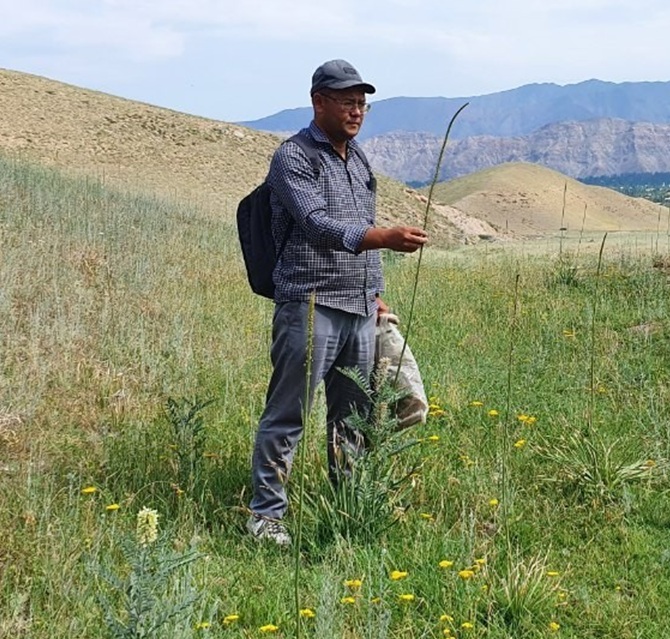
Sheraliyev Obidjon Xomidjonovich
PhD Student
E-mail: obidjonsheraliyev07@gmail.com
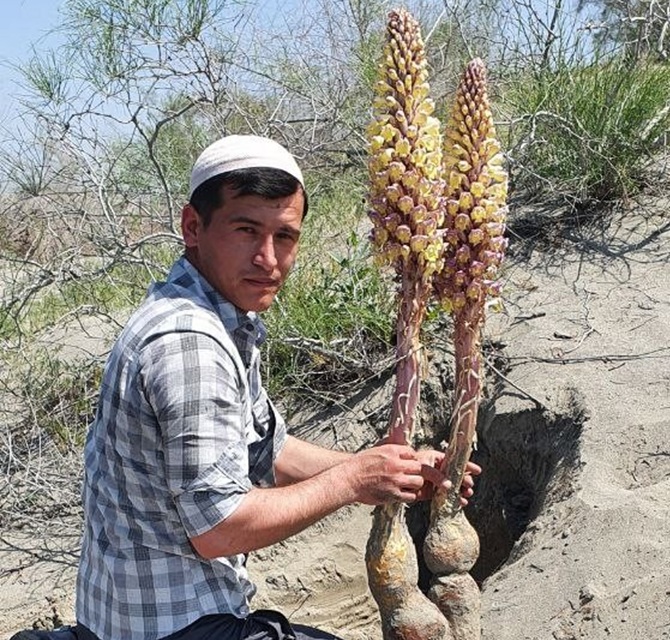
Jo‘rayev Zuxuridin Najmidin o‘g‘li
Junior Researcher
E-mail: juraevzukhuridin@gmail.com
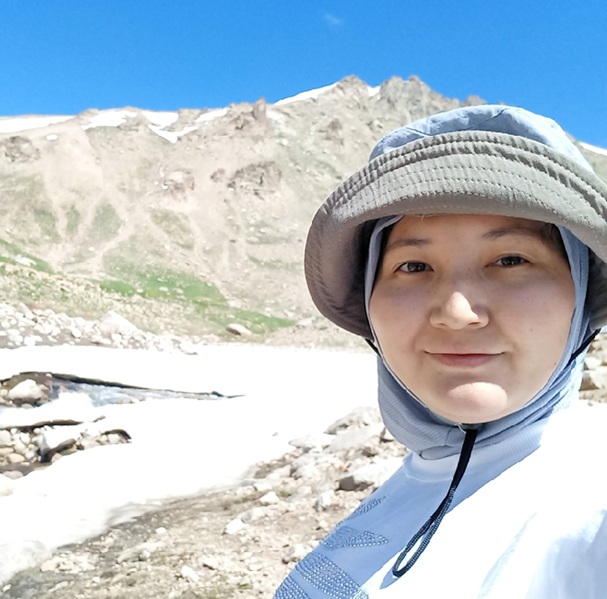
Kurbaniyazova Gulsauir Tanirbergen qizi
PhD, junior researcher
E-mail: kurbaniyazova94@list.ru
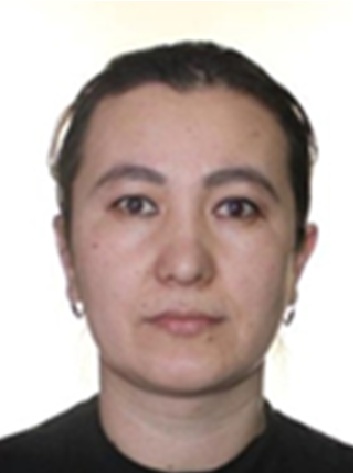
Mirzaliyeva Dilafruz Usmonaliyevna
Junior researcher
E-mail: d.u.mirzaliyeva@gmail.com

Turdiyev Doston Ergash o‘g‘li
Junior researcher
E-mail: doston.turdiyev.91@mail.ru

Mardiyeva Zilola Komiljon qizi
Laboratory Assistant
E-mail: mardiyeva02@gmail.com

Sotiboldiyev Otabek Erkin o’g’li
Laboratory Assistant
E-mail: sotiboldiyev2001@gmail.com
Scientific work of laboratory staff
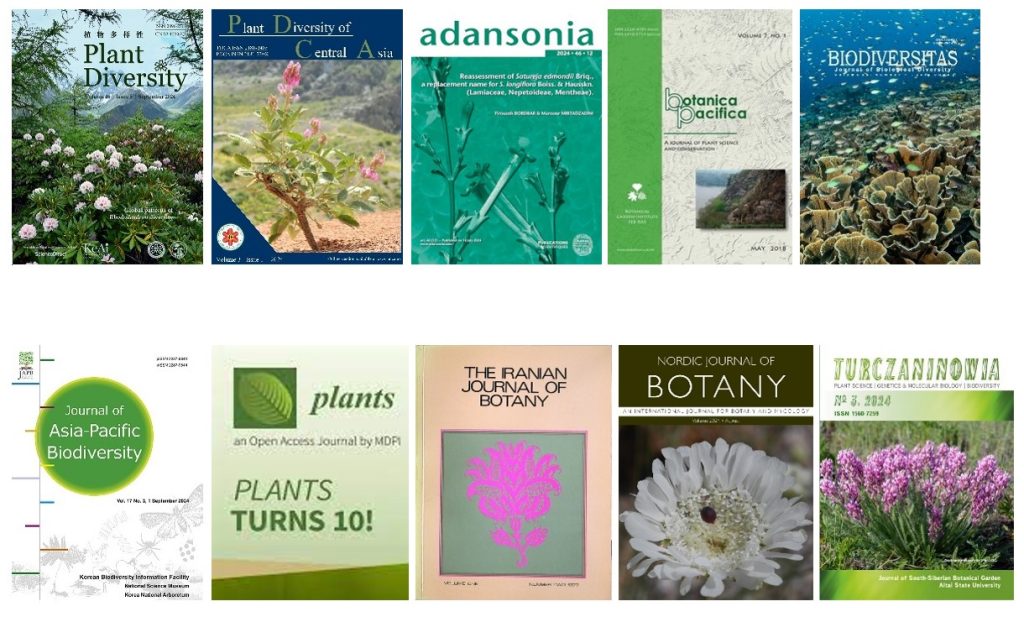
Scientific articles of laboratory staff published in international scientific journals in 2022–2025
- Asatulloyev T., Dekhkonov D., Tojibaev K. S. What determines the distribution of Tulipa species in Uzbekistan //Plant Diversity of Central Asia. – 2022. – Т. 1. – С. 127-137.
- Baikova, E. V., Turdiboev, O. A., Pulatov, S., Madaminov, F., Baikov, K. S., Sheludyakova, M. B. Salvia insignis (Lamiaceae): current status, rarity, and prospects for conservation in situ. // Botanica Pacifica. – 2022. Vol. 11(2). P. 147–152. (Scopus)
- Dekhkonov, D., Tojibaev, K., Yusupov, Z., Makhmudjanov, D., & Asatulloev, T. (2022). Morphology of tulips (Tulipa, Liliaceae) in its primary centre of diversity. Plant Diversity of Central Asia, 1(1), 52-70.
- Makhmudjanov, D., Juramurodov, I., Kurbonaliyeva, M., Yusupov, Z., Dekhkonov, D., Deng, T., Tojibaev, K., & Sun, H., (2022). Genus Eremurus (Asphodelaceae) in the flora of Uzbekistan. Plant Diversity of Central Asia, 2: 82-127.
- Munavvarov A, Yusupov Z, Ergashov I, Tojibaev K.Sh., Deng T, Sun H (2022) Complete chloroplast genomes of ten species from subgenus Allium (Allium, Amaryllidaceae). Plant Diversity of Central Asia. 1(2): 175-189.
- Pimenov, M., Tojibaev, K., Sennikov, A., Khassanov, F., & Beshko, N. (2022). Taxonomic and nomenclatural inventory of the Umbelliferae in Central Asia, described on the basis of collections of the National Herbarium of Uzbekistan. Plant Diversity of Central Asia, 1, 21-51.
- Sennikov, A. N., Khassanov, F. O., & Lazkov, G. A. The nomenclatural history of Iris orchioides (Iridaceae) // Memoranda Soc. Fauna Flora Fennica. – 2022. Vol. 98. P.1-8. (Scopus)
- Sennikov, A. N., Khassanov, F. O., & Pulatov, S. O. Iris bucharica (Iridaceae): A century of confusion is resolved with the description of I. chrysopetala, a new species from southern Central Asia // Memoranda Soc. Fauna Flora Fennica. – 2022. Vol. P. 9-20. (Scopus)
- Shchegoleva N.V, Nikitina E.V, Juramurodov I.J, Zverev A.A, Turginov O.T, Jabborov A.M, Yusupov Z, Dekhkonov D.B, Deng T, Sun H. A new species of Ranunculus (Ranunculaceae) from Western Pamir-Alay, Uzbekistan // PhytoKeys. –2022. 193. P. 125–139. (Scopus)
- Tojibaev, K., Dekhkonov, D., Ergashov, I., Sun, H., Deng, T., Yusupov, Z., The synopsis of the genus Tulipa (Liliaceae) in Uzbekistan // Phytotaxa. – Vol. 573 (2). P. 163-214 (Scopus)
- Tojibaev K.Sh., Karimov F.I., Hoshimov H.R., Jang C-G, Na N-R, Park M-S, Chang K-S, Gil H-Y, Baasanmunkh S, Choi HJ (2022) Important plant areas (IPAs) in the Fergana Valley (Central Asia): The badlands of the northern foothills. Nature Conservation 49: 1–30.
- Tojibaev, K., Khassanov, F., Turginov, O., Akbarov, F., Pulatov, S., Turdiboev, O. (2022) Endemic plant species richness of Surkhondaryo province, Uzbekistan // Plant Diversity of Central Asia. 1. 71–84.
- Turdiboev, O. A., Rouhan, G., Allamurotov, A. L., Madaminov, F. M., Akbarov, F. I., & Tojibaev, K. S. Contribution of French explorers to the study of Middle Asian flora: the herbarium collections by Guillaume Capus (1857-1931) // Adansonia. – 2022. Vol. 44 (22). P. 229-301.
- Yusupov, Z., Ergashov, I., Volis, S., Makhmudjanov, D., Dekhkonov, D., Khassanov, F., … & Sun, H. (2022). Seed macro-and micromorphology in Allium (Amaryllidaceae) and its phylogenetic significance. Annals of Botany, 129(7), 869-911.
- Yang, L., Abduraimov, O., Tojibaev, K., Shomurodov, K., Zhang, Y. M., & Li, W. J. (2022). Analysis of complete chloroplast genome sequences and insight into the phylogenetic relationships of Ferula BMC genomics, 23(1), 643.
- Zhao, Y., Chi, J. C., Chen, Y. P., Liang, C. Z., Turginov, O. T., Pulatov, S. O. & Xiang, C. L. Three new records of Lamiaceae from China and Uzbekistan // Phytotaxa. – 2022. Vol. 531(2). P.111-119. (Scopus)
- Журамуродов И.Ж., Бялт В.В., Мирзалиева Д.У., Тожибаев К.Ш. Типовые образцы названий таксонов рода Hedysarum (Fabaceae) из Средней Азии, хранящиеся в Натциональном Гербарии Узбекистана (TASH) // Вестник Томского государственного университета. Биология. – 2022. № 57. С. 6–27. (Scopus)
- Asatulloev, T.; Dekhkonov, D.; Yusupov, Z.; Tojiboeva, U.; Cai, L.;Tojibaev, K.; Sun, W. Ecoregional and Phytogeographical Insights into the Distribution of Tulipa in the ‘Nature Imperiled’ Area of Central Asia for Effective Conservation. Diversity. – 2023. Vol. 15 (1195). P.1-27.
- Dehqonov D., Asatulloev T., Tojibaeva U, Idris S., Tojibaev K.Sh. Suitable habitat prediction with a huge set of variables on some Central Asian tulips. // Journal of Asia-Pacific Biodiversity. – 2023. Vol. 16(1). P. 75-82.
- Dekhkonov D., Asatulloev, T., Akbarov, F., Umida, T., Lorenzo, P., & Tojibaev, K. Sh. Conservation strategy and diversity of Tulipa (Liliaceae) in Uzbekistan. Plant Diversity of Central Asia. 4 (2023) 1–42
- Juramurodov I., Makhmudjanov D, Liu PL., Yusupov Z., Nikitina E., Deng T, Tojibaev K., Sun H. Phylogenetic relationships and biogeography in Hedysarum (Hedysareae, Fabaceae) with a focus on Central Asian taxa. // Taxon. – 2023. Vol. 1. P. 1-23. doi.org/10.1002/tax.13105
- Juramurodov I., Makhmudjanov D., Yusupov Z., & Tojibaev K. (2023). First Comparative Analysis of Complete Chloroplast Genomes Among Six Hedysarum (Fabaceae) Species. Frontiers in Plant Science. 14:1211247.
- Khassanov, F., Asatulloev, T., Ergashov, I., Pulatov, S., Tojibaev, K., & Yusupov, Z. Allium sunhangii–a new species from section Brevidentia F.O. & Iengal.(Amaryllidaceae) from Southern Pamir-Alay. // PhytoKeys. – 2023. Vol. 219. P. 35–48.
- Makhmudjanov, D., Abdullaev, D., Juramurodov, I., Tuychiev, S., Yusupov, Z., Sun, H., Tojibaev K., Deng, T. (2023). Comparative Analysis and Characterization of Ten Complete Chloroplast Genomes of Eremurus Species (Asphodelaceae). Forests, 14, 1709.
- Pimenov M.G., Tojibaev K.SH, Degtjareva G.V., Ostroumova T.A., Zakharova E.A., Karimov F.I., Samigullin T.H. A new species of Aulacospermum (Umbelliferae) from Uzbekistan // Phytotaxa. –2023. Vol. 579(3). P.162-174.
- Sennikov, A., Khassanov, F. O., Ortikov, E., Kurbonaliyeva, M., & Tojibaev, K. S. The genus Iris sl (Iridaceae) in the Mountains of Central Asia biodiversity hotspot // Plant Diversity of Central Asia. – 2023. Vol. 2(1). P. 1-104.
- Tojibaev, K. S., Karimov, F. I., Hoshimov, H. R., Gulomov, R., Lazkov, G. A., Jang, C. G., … & Choi, H. J. Important plant areas (IPAs) in the Fergana Valley (Central Asia): The Bozbu-Too-Ungortepa massif // Nature Conservation. – 2023. Vol. 51. P. 13-70.
- Volis S., Tojibaev K. Comparison of maps of species richness and endemism produced directly from species occurrences with those produced by stacked species distribution modelling //Israel Journal of Ecology and Evolution. – 2023. – Т. 70. – №. 1-2. – С. 84-93.
- Левичев И.Г., Бешко Н.Ю., Курбаниязова Г.Т., Тургинов О. Т. Тажетдинова Д.М. Новые находки видов рода Gagea в Узбекистане. Turczaninowia. – 2023. Vol. 26(3). P. 184-193.
- Anming B., Tao Y., Wenqiang X., Jiaqiang L., Guli J., Xi Ch., Tojibaev K., Shomurodov KH., Xabibullaev B. & Kamalatdin, I. (2024). Ecological problems and ecological restoration zoning of the Aral Sea. Journal of Arid Land, 16(3), 315-330.
- Daminova, N., Nosirov, S., Akbarov, F., Tojibaev, K., & Temirov, E. Distribution and conservation of the narrow sub-endemic shrub, Lonicera paradoxa in Pamir-Alay, Central Asia // Biodiversitas Journal of Biological Diversity. – 2024. – Т. 25. – №. 2.
- Dekhonov D. Asatulloev T., Tojiboyeva U., Idris S., Abdupattaeva Sh., Abdullayev Sh., Weibang S.,Yusupov Z., Tojiboyev Sh. “Beauty demands sacrifices: is it possible to overcome both climate change and anthropogenic impact for Pamir-Alay Tulips (Liliaceae)?” Journal of Asia-Pacific Biodiversity, – 2024.
- German D.A., Turginov O.T., Ziyodullaev Q.O., Uralov R.A., Madaminov F.M., Sheraliyev O.Kh., Suyunkulov H., Segizboev M., Beshko N.Yu. // Towards better knowledge on Cruciferae diversity in Uzbekistan // Turczaninowia, 2024, 27 (3): – P. 127–136.
- Jo, S., Yusupov, Z., Choi, S., Paik, J. H., & Tojibaev, K. S.. The complete plastome sequence of Datisca cannabina L. (Datiscaceae, Cucurbitales). // Mitochondrial DNA Part B. – 2024. Vol. 9(2), 237-241.
- Juramurodov I.J., Tojibaev K.Sh. Sennikov A.B., Makhmudjonov D.I. // The genus Hedysarum (Fabaceae; Hedysareae) in Uzbekistan // Plant Diversity of Central Asia. –2024. Vol. 3(1). P. 1–90.
- Karimov, B., Asatulloev, T., Buxorov, G. I., Turginov, O., Naralieva, N., Azimova, D., … & Yusupov, Z. (2024). Analysis of chloroplast genomes of ten central Asian Fritillaria species and their phylogenetic relationships. Nordic Journal of Botany, e04413.
- Ma, S.; Li, W.; Tojibaev, K.Sh.; Turginov, O.; Yang, W.; Ma, K. Regionwide and Nationwide Floristic Richness Reveal Vascular Plant Diversity in Central Asia. // Plants. – 2024. Vol. 13. P. 2275-2279.
- Makhmudjanov, D., Volis, S., Yusupov, Z., Juramurodov, I., Tojibaev, K., Deng, T., & Sun, H. Central Asia revealed as a key area in evolution of Eremurus (Asphodelaceae). Plant Diversity. – 2024. Vol. 46(3). Pp. 333-343.
- Min S. P., Nu R. N., Chang G. J., Gulomov R.and Tojibaev K. The complete chloroplast genome sequence of Phlomoides kirghisorum Adylov, Kamelin & Makhmedov 1987 (Lamiaceae), an endemic species of Fergana Valley. // Mitochondrial Dna Part B: Resources. – 2024. Vol. 9 (1). Pp. 104–108.
- Shukrullozoda R.Sh., Kadirov B.E., Khaydarov Kh.K., Dekhkonov D.B., Tojibaev K.Sh., Umurzakova Z.I., Shodiyeva O.M. Micropropagation of Wild Relatives of Cultivated Tulipa Species from Samarkand Region (Uzbekistan). // International Journal of Virology and Molecular Biology. – 2024. Vol.13(1). Pp. 1-7.
- Tajetdinova D.M., Ibragimov A.J., Ortikov E.A. Mapping of distribution of the species of Iris in Kuhitang botanical-geographical region (Uzbekistan) // Iranian Journal of Botany. – 2024. Vol. 30 (2).
- Verkhozina A. V. et al. Findings to the flora of Russia and adjacent countries: New national and regional vascular plant records, 2 // Botanica Pacifica. A journal of plant science and conservation. – 2024. – Т. 13(1). – С. 67-92.
- Yang Sh., Chen J., Li Z., Huang X, Zhang X., Liu Q.,Tojibaev K., Sun H. and Deng T. Comparative chloroplast genomes of Dactylicapnos species: insights into phylogenetic relationships. // BMC Plant Biology. – 2024. Vol. 24. P. 350-352.
- Zhao Y., Turginov O.T., Turdiboev O.A., Pulatov S.O., Chen Y.P. & Xiang C.L. New records of Lamiaceae from China and Uzbekistan // Adansonia. – 2024. – Т. 46. – №. 2. – С. 9-17.
- Zhao, Y., Chen, Y. P., Drew, B. T., Zhao, F., Almasi, M., Turginov, O. T., & Xiang, C. L. Molecular phylogeny and taxonomy of Phlomoides (Lamiaceae subfamily Lamioideae) in China: Insights from molecular and morphological data // Plant Diversity. – 2024. Vol. 46 (4). Pp.462-475.
- Алиева К. Б., Шералиев О. Х., Абдуллаев Ш. С., Уралов Р., Джолдошбеков А. Д., Усупбаев А. К., К. Ш. Тожибаев “Новые находки злаков для флоры Узбекистана и Кыргызстана” Turczaninowia 2024 (Nashr etish uchun qabul qilingan).
- Наджмиддинов А. Н., Гуломов Р. К.,. Батошов А. Р, Каримов Ф. И., Тожибаев К. Ш. “Euphorbia davidii (Euphorbiaceae) – новый инвазивный вид для флоры Средней Азии” Turczaninowia 2024. (Nashr etish uchun qabul qilingan).
- Alieva K.B., Peng Y., Usupbaev A., Tojibaev K.Sh., Yusupov Z., Ergashov I., Azimova D., Jiang Z. 2025. Synopsis of the genus Elymus (Poaceae) in Uzbekistan (Middle Asia) with a description of Elymus uzbekistanicus a new species from Turkestan Mts. // PhytoKeys. 257: 9–50. https://doi.org/10.3897/phytokeys.257.142950
- Cheng, J., Fu, Y., Meng, X., Tang, G., Li, L., Yusupov, Z., Tojibaev., K & Sun, M. 2025. Investigation of anti-inflammatory effect of essential oil extracted from Achillea alpina L. through multi-omics analysis in zebrafish tail fin amputation model // Journal of Ethnopharmacology. (Q1, IF=4.36)
- Dan-Hui Liu, Quan-Ru Liu, Komiljon Sh. Tojibaev, Alexander P. Sukhorukov, Hafiz Muhammad Wariss, Yue Zhao, Lei Yang, Wen-Jun Li. 2025. Phylogenomics provides new Insight into the phylogeny and diversification of Asian Lappula (Boraginaceae) // Molecular Phylogenetics and Evolution, https://doi.org/10.1016/j.ympev.2025.108361.
- Dariganga Munkhtulga, Shukherdorj Baasanmunkh, Zagarjav Tsegmed, Komiljon Sh. Tojibaev, Nudkhuu Nyamgerel, Hyeok Jae Choi. 2025. Morphological and phylogenetic analysis approach to three new species and a new section of Astragalus (Fabaceae) from Mongolia // PhytoKeys 255: 51–73. DOI: 10.3897/phytokeys.255.140805.
- Dekhkonov, D., Asatulloev, T., Yusupov, Z., Tojiboeva, U., Ergashov, I., Sun, W& Tojibaev, K. (2025. Comparative chloroplast genome and phylogenetic analysis of Central Asian tulips // Nordic Journal of Botany. P.1-13. https://www.researchgate.net/publication/389709921 (Q2, IF=1.1)
- Ergashov, I., Yusupov, Z., Dolatyari, A., Khorasani, M., Eker, I., Turdumatova, N., Lazkov, G., Sun, H., Deng, T., & Tojibaev, K. 2025. New insights into the molecular phylogeny and biogeographical history of Allium subgenus Melanocrommyum (Amaryllidaceae) based on plastome and nuclear sequences // Plant Diversity. P: 2-15. https://doi.org/10.1016/j.pld.2025.04.009 (Q1, IF=4.6)
- Juramurodov I., Uralov R., Makhmudov D., Lu Ch., Akbarov F., Pulatov S., Karimov B., Turginov O., Tojibaev K. 2025. Assessment of plant diversity the Surkhan-Sherabad Region, Uzbekistan by grid mapping // J Arid Land. 17(3): 394–410.
- Karimov B., Tojibaev Sh.K., Azimova D., Yusupov Z. and Liu L. 2025. Comparative analysis of complete chloroplast genomes of Cousinia (Asteraceae) species // Front. Plant Sci. (Q1, IF=4.5)
- Maxmudov Azizbek, Tojibaev Komiljon, Abduraimov Ozodbek, Mavlanov Bekzod, Allamurotov Akmal. 2025. The current state of natural resources Ferula tadshikorum Pimenov in Uzbekistan. Plant Sciences Today. https://doi.org/10.14719/pst.3710
- Nobis et al. 2025. New national and regional plant records: Contribution to the flora of the Old World countries // Acta Societatis Botanicorum Poloniae. Volume 94 / Article 202669
- Sulaymanov K., Mehta J., Madan A., Azimov A., Turginov O., Barot M., Jabborova D. 2025. Effect of different concentration of mineral fertilizers on growth and yield of Curcuma longa L. in Surkhandarya region, Uzbekistan // Annals of Phytomedicine 14(1): 1090-1098.
- Tugizova I., Chaudhary M., Matchanov A., Burxev F., Barot M., Turginov O., Dilfuza Jabborova D. 2025. Investigation of macro-micronutrients, flavonoids, and vitamins contents of Taraxacum officinale L. // Annals of Phytomedicine 14(1): 1151-1156.
- Tao Deng, Nan Lin, Xianhan Huang, Hengchang Wang, Changkyun Kim, Daigui Zhang, Weidong Zhu, Ziyoviddin Yusupov, Komiljon Sh. Tojibaev, Hang Sunю Phylogenetics of Mazaceae (Lamiales), with special reference to intrageneric relationships within Mazus // Taxon, Volume 68, Issue 5, pp. 1037-1047, 11 pp
- Tojibaev K.Sh., Hoshimov H.R., Gulomov R.R., Sheraliev O.K., Karimov F.I., Kor L., Batoshov A.R., Baasanmunkh S., Jang J.E., Jung J., Gil H.-Y., Choi H.J. 2025. Conservation priorities in Central Asia: the Shorsuv Massif IPA and its role in the Fergana Valley’s biodiversity. Front. Conserv. Sci. 6:1629529. doi: 10.3389/fcosc.2025.1629529
- Tojibaev K.Sh., Yusupov Z., Sennikov A.V., Ibragimov A., Ortikov E., Asatulloyev T. 2025. Iris anvarbekii (Iridaceae), a new species of I. subg. Scorpiris from the southern Pamir-Alay in Uzbekistan // Nordic Journal of Botany. doi:10.1002/njb.04860
- Turdiboyev O., Karimov B., Esemuratova R., Serekeeva G., Esankulov A., Turdiboyev Sh., Achilova N. 2025. Furkat Orunbayevich Khassanov 24 March 1959 – 20 October 2024 // Botanica Pacifica. A journal of plant science and conservation. DOI: 10.17581/bp.2025.14107
- Turdiev D.E., Beshko N.Yu., Selyutina I.Yu., Tojibaev K.Sh. 2025. Diversity and distribution patterns of species of the genus Oxytropis (Fabaceae) in Uzbekistan// Turczaninowia 28, 2: 202–235. https://www.doi.org/10.14258/turczaninowia.28.2.21 (Scopus Q2).
- Turginov O.T., Levichev I.G., Kurbaniyazova G.T., Karimov F.I., Yang L., Li W.J. 2025. A new white-flowered species of Gagea (Liliaceae) from the Fergana Valley, Uzbekistan and Kyrgyzstan // PhytoKeys 260: 139–152. DOI: 10.3897/phytokeys.260.151373
- Yan D., Zhang M., Song Y., Liu L., Begmatov N., Turginov O.T., Zhao, B., Yang H., Zou G. 2025. Chemical Constituents from Euphorbia esula // Plants. 14, 2822. https://doi.org/10.3390/plants14182822
- Yusupov Z., Turginov O., Karimov B., Buxorov Gʻ., Tojibaev K. 2025. Fritillaria yakutiae sp. nov. (Liliaceae) from Surkhandarya, Uzbekistan // Nordic Journal of Botany. https://doi.org/10.1002/njb.04813
- Герман Д.А., Турдиев Д. Э., Тургинов О.Т., Шералиев О.Х., Бешко Н.Ю. (2025). Дополнение к флоре Узбекистана// Turczaninowia 28(3): 182–190 https://www.doi.org/10.14258/turczaninowia.28.3.20
- Тажетдинова Д.М., Ибрагимов А.Ж., Каримов Б.К., Газиев А.Д. 2025. Новые находки сосудистых растений в Республике Узбекистан // Turczaninowia. 28, 2:193-201. https://www.doi.org/10.14258/turczaninowia
Monographs, manuals and recommendations
- Сенников А.Н. ред. 2022. Флора Узбекистана, Том. IV. Издательство «Фан» АН РУз, Ташкент. XVIII 238 c.
- Сенников А.Н. (ред.) 2023. Флора Узбекистана, т. 5. Издательство «Фан» АН РУз, Ташкент. XIV 469 с.
- Сенников А.Н. (ред.) 2023. Флора Узбекистана, т. 6. Издательство «Маънавият», Ташкент. XIV 209 с.
- Даминова Н.Э., Тожибаев К.Ш. 2024. Фарғона водийси дендрофлораси. «Ziyo nashr-matbaa» 212 б.
- Tojibayev K.Sh. va boshq. 2024. O‘zbekiston florasi kadastri Surxondaryo viloyati. http://library.botany.uz:7070/book/1523
- Tojibaev K.Sh. et al. 2024. “Useful Plants of Uzbekistan” Series: “Flora of Surkhandarya Vol. I”. Korea Research Institute Bioscience and Biotechnology (in press).
- Makhmudjanov D.I., Tojibaev, K.Sh., Juramurodov I.J., Juraev Z.N., Deng, T., & Sun, H. (Eds.). (2025). The genus Eremurus of the world. Institute of Botany, UAS, “Fan” Publishing House